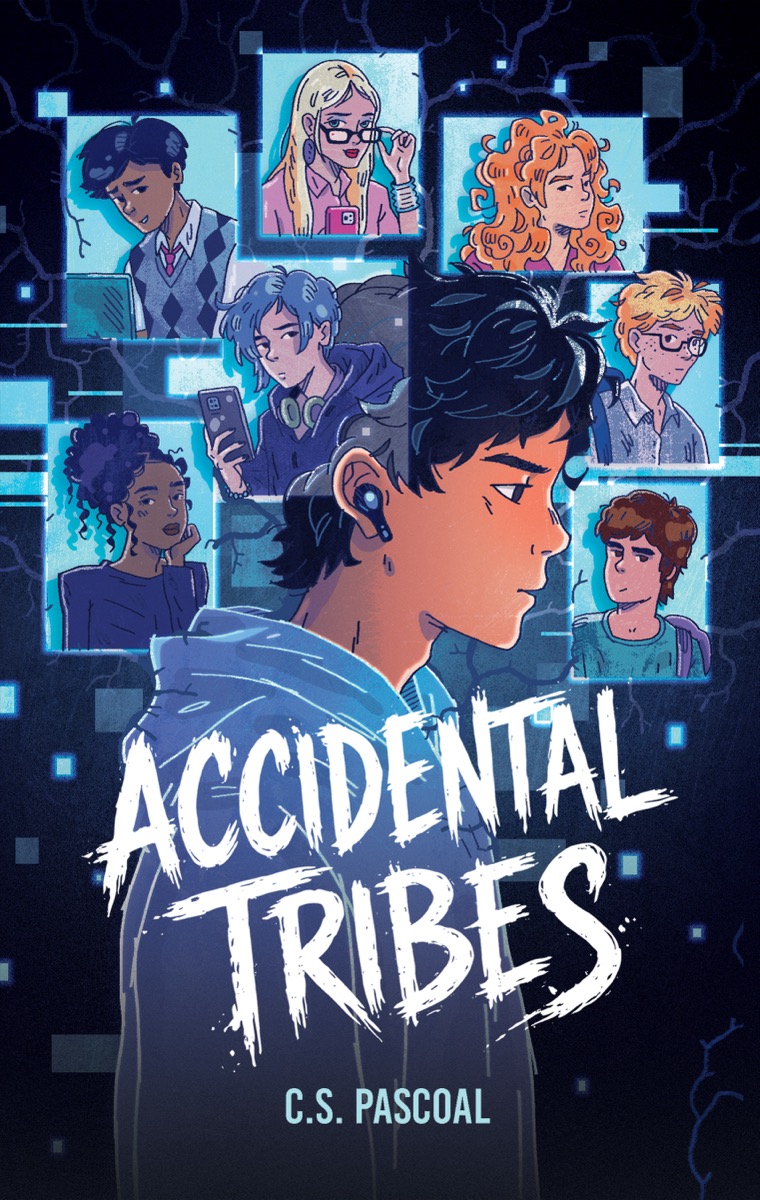
Fabricated images and altered stories raise difficult questions about identity and trust. C. S. Pascoal discusses how those questions enter her YA novel Accidental Tribes.
What made AI-generated humiliation important to include?
AI-generated humiliation belongs in Accidental Tribes because the ability to fabricate convincing material changes the stakes of being seen and believed. Someone can be forced to defend themselves against something they never did.
The question “How does AI enable bullying?” becomes deeply personal when you consider what happens to the person targeted. What happens when someone else can manufacture a version of you and put it into circulation? I wanted to explore the effect on trust, dignity, and identity. The technology matters because of what people do with it and what another person must carry afterward. The emotional consequences deserve attention alongside the tool itself.
For me, exploring how AI is used to bully teens means staying close to that person’s experience. Accidental Tribes considers the human consequences of AI cyberbullying: what someone fears losing, what they need others to understand, and how difficult it can be to challenge a story that has already spread.
How do you think AI changes the way young people understand truth?
Accidental Tribes explores a world in which seeing an image or hearing a voice no longer settles the question of what happened. At the same time, the existence of fabricated material can make it easier to dismiss genuine evidence. That complicates how young people understand truth and decide whom to trust.
For readers exploring YA books about artificial intelligence, I think those human questions are especially important. How do we remain careful without becoming indifferent? How do we ask questions without treating a person’s distress as entertainment? Those are valuable questions for readers because deciding what to believe also influences how we treat one another.
What should adults understand better about teens growing up with AI?
Accidental Tribes asks adults to consider the emotional burden of that uncertainty. A teenager facing AI-generated humiliation needs someone willing to listen, investigate carefully, and respond to the harm. Technical explanations alone cannot meet that need.
Adults also need to be willing to learn. Young people should be able to describe an unfamiliar situation without having to spend the entire conversation proving that it matters. A calm, curious response can help establish what support is needed. I hope the novel encourages adults to approach those conversations with attention and humility.
Parents sometimes ask, “Are there YA novels that explain AI risks to teenagers?” I see Accidental Tribes as a way into the social and ethical questions. A story can make a conversation about trust and dignity feel immediate, while factual resources can provide the technical explanations a family or classroom needs.
About the Author
C. S. Pascoal is a technology and social-impact entrepreneur and the author of Accidental Tribes. Based in New York City, she founded UnBoxMe and has worked at the intersection of technology, entrepreneurship, and social impact.
Book website · Instagram · TikTok · YouTube · LinkedIn